You know the moment. A guest is standing in a lobby with a phone in hand, the venue says “free WiFi,” and yet nothing seems to happen except a spinning wheel. On the surface, that looks like a simple login screen problem. In reality, it's usually a captivity, trust, and whitelisted-network problem, which is why wifi splash page software matters so much in hotels, campuses, clinics, retail stores, and BYOD corporate environments.
A splash page is the user-facing layer of a captive portal. The network intercepts the first web requests from an open guest SSID, drops the device into a walled garden, and holds full access until the guest authenticates or accepts terms. That's why this software isn't just about branding. It's also about access control, onboarding, consent, and the messy real-world details that decide whether a phone ever sees the portal at all. For a practical starting point, see the overview of a WiFi captive portal.

What WiFi Splash Page Software Actually Does
A hotel guest opens a laptop in the lobby, a shopper taps “join WiFi” in a mall, or a student connects in a campus lounge. What they see first is usually a splash page, but what the network is doing behind that page is much more important than the design itself. A WiFi splash page is the presentation layer of the guest-access flow, the screen that sits in front of full internet access and turns a plain open SSID into a controlled guest experience. For a broader walkthrough of captive portal behavior, the definition from Splash Access's captive portal overview lines up with how operators use these systems in the field.
The software has three jobs at once. It welcomes the user with branding, it enforces access rules, and it captures whatever data the venue needs, such as consent, a social profile, an email address, or a voucher code. Cisco Meraki's documentation makes the access-control side clear, since splash pages can require click-through or credential sign-on before full access is granted, and billing SSIDs use the same flow before internet access is enabled. That's why people who treat splash pages like a marketing banner usually get burned later.
| Function | What It Does | Example Output |
|---|---|---|
| Branding | Shows the venue's visual identity and welcome message | A branded guest login screen |
| Access control | Forces authentication, terms acceptance, or payment before internet access | Full network access after login |
| Data capture | Collects guest details or consent for follow-up workflows | Email, social login, voucher, or billing record |
Practical rule: if the page looks great but the guest never reaches it on real devices, the problem is not design. It's portal plumbing.
The technical foundation is simple, even if the troubleshooting isn't. The network intercepts early traffic and moves the client into a controlled path until authentication succeeds. That's why a venue can have excellent internet service and still have terrible guest onboarding. Splash page software has to coordinate the front-end screen, the access policy, and the network behavior as one system, not three separate projects.

How Captive Portals Intercept a Device
A captive portal works because the network gets in front of the device before the device gets to the public internet. In plain terms, the guest joins the WiFi, and the system blocks ordinary traffic long enough to show a login or consent page. The purple.ai guide on captive portal mechanics explains that the gateway can use DNS redirection or HTTP 302 responses to steer unauthenticated clients into the portal, while the firewall keeps everything else inside the walled garden until the user finishes the flow. That's why the portal hostname, identity-provider domains, SMS OTP endpoints, and CDN assets all need to be explicitly allowed.
Like a hotel. The lobby is the walled garden, the front desk is the splash page, and the guestroom is full internet access. The guest can walk around the lobby, but they can't get the room key until the desk completes the check-in process. If the portal can't load the desk page, the check-in stalls before it starts.
Modern phones add another layer of behavior. iOS probes captive.apple.com, and Android probes connectivitycheck.gstatic.com, which is how the operating system decides whether a captive portal is present. That vendor-specific detection is why some portals appear automatically and others seem to vanish on certain devices. When operators ignore those probe paths or block the supporting endpoints, users often think “WiFi is broken,” when the issue is portal detection.
SSL trust matters just as much. A self-signed or expired certificate can trigger browser warnings inside the captive network assistant, and many users won't push through that warning on a guest network. The right move is a publicly trusted certificate on the redirection hostname, with renewal automated so onboarding doesn't depend on manual certificate upkeep. If the TLS chain is wrong, the branding never gets a fair chance.
The first job of the portal is not persuasion. It's simply getting the page to render on the user's actual device.
A splash page can look polished in a demo and still fail in the wild because the network path is wrong, the certificate is stale, or the whitelisted dependencies are incomplete. That's the gap many teams miss when they start with the UI instead of the captive-portal plumbing.
Authentication Options Worth Knowing
Different venues need different access patterns, and good splash page software reflects that. A hospital waiting room, a retail store, and a corporate campus don't want the same friction. The right method depends on whether you care most about speed, accountability, compliance, guest marketing, or operational simplicity. Cisco Meraki's splash-page documentation shows how these flows can sit in front of access control, while a splash page authentication methods guide is useful when you want to map login style to venue type.
The common choices and where they fit
- Click-through. A hotel or café can use this when the main need is simple terms acceptance before access. It's fast, familiar, and light on user friction.
- Social login or email login. Retail and hospitality teams use this when they want guest data for follow-up campaigns or social WiFi workflows. It can help with marketing capture, but it also raises privacy expectations, so the consent language needs to be clear.
- WPA2 Enterprise and per-user credentials. Corporate environments use this when they need stronger authentication and clearer identity control than a shared password can provide.
- IPSK and EasyPSK-style flows. Education, BYOD, and segmented corporate guest networks often use individual pre-shared keys because each device gets its own credential instead of one shared secret.
- Voucher codes. These work well for conferences, visitor offices, and time-bound hospitality access. They're simple for the guest, but they need operational discipline so codes don't sprawl.
- SAML or Azure AD federation. Corporate guest and employee-facing environments use this when identity already lives in the enterprise directory and access should follow that identity model.
Meraki also notes that splash pages can be used for billing SSIDs, which is why payment-based access sometimes appears in hospitality and paid guest WiFi environments. Splash Access's Cisco Marketplace listing shows the broader ecosystem too, with integrations for Mailchimp, Azure, G Suite, Twilio, Facebook, PayPal, and Stripe, which makes the software feel less like a captive screen and more like a guest-data workflow.
| Method | Best For | Key Trade-off |
|---|---|---|
| Click-through | Hospitality and quick guest onboarding | Low friction, limited identity assurance |
| Social login | Retail and guest marketing | Better data capture, more privacy sensitivity |
| IPSK / EasyPSK | Education, BYOD, segmented corporate access | Stronger accountability, more setup planning |
| Voucher codes | Conferences and timed guest access | Simple to use, harder to manage at scale |
| SAML / Azure AD | Corporate and managed identity environments | Best for enterprise control, more integration work |
The cleanest rule is simple. Match the login method to the venue's real objective, not to whatever looks impressive in a demo. If the goal is a smooth guest experience, keep the flow short. If the goal is accountability, use a method that ties access to a specific user or device.
Designing a Splash Page That Actually Converts
A splash page is not a brochure. It's a quick decision point, and most guests make that decision on a phone, while walking, carrying bags, or trying to sit down. Good design keeps that moment easy. Tanaza's design guidance is blunt about the essentials, the best pages stay minimal, with a logo, welcome text, and one login path, while clutter, heavy visuals, low contrast, and tiny touch targets make mobile login harder.
What helps and what gets in the way
A clean page works because it reduces hesitation. One clear button is easier to understand than four equally loud buttons, especially when one of those buttons is for social login, one is for email, and one is for a promo offer. The page should answer one question quickly, “How do I get online?” not ask the guest to study the venue's marketing plan.
Bad layouts usually fail in the same ways. Hero video slows the first view, oversized image blocks push the login form below the fold, and long data-collection forms create abandonment before access even begins. Accessibility matters too, because small type and tiny buttons make mobile interaction harder for everyone, not just users with visual constraints. If the guest can't tap it comfortably with one thumb, the page is too busy.
Practical rule: every extra field is a drop-off point. If you don't need it at the door, don't ask for it there.
The same logic applies to social WiFi. More login choices can be useful, but only if they're presented as smaller, cleaner options instead of a wall of equally large buttons. The page should look intentional, not crowded. In practice, that means a venue logo, a short welcome line, one obvious call to action, and any required consent language written plainly enough that a guest can understand it without zooming.
Strong design also helps analytics. Clean login flows usually produce cleaner data because guests who complete the process aren't fighting the interface. When operators load the page with too many fields, they often get less usable data, not more, because the extra friction reduces completion. A polished portal that nobody finishes is worse than a plain one that works.
Analytics and Marketing Integrations
A guest taps connect, the browser opens, and the portal's work does not end there. The login event becomes an operational signal that can feed service recovery, marketing, and access reporting, but only if the front end collected clean consent and the network path was stable enough for the guest to reach it. Splash Access's marketing automation integration points in that direction, with guest data moving into email and SMS workflows instead of stopping at a one-time login.
What teams usually track after login
In hospitality, analytics often start with dwell time and return visits, because managers want to know whether guests came back, stayed longer, or moved through the venue in a predictable pattern. Retail teams care about campaign-driven visits and whether a guest who used WiFi also redeemed an offer or came back another day. In education, the value is often operational, tied to attendance patterns and device-driven activity across campuses.
Some platforms also connect to access-point telemetry or MV Sense camera data, which gives operators a fuller view of visitor flow. WiFi logins alone do not tell the whole story. A guest might connect briefly, linger near a café, then leave without converting. The analytics layer helps the team see that behavior instead of guessing at it, which matters when the splash page is being treated as access control first and a marketing surface second.
The marketing stack that sits on top
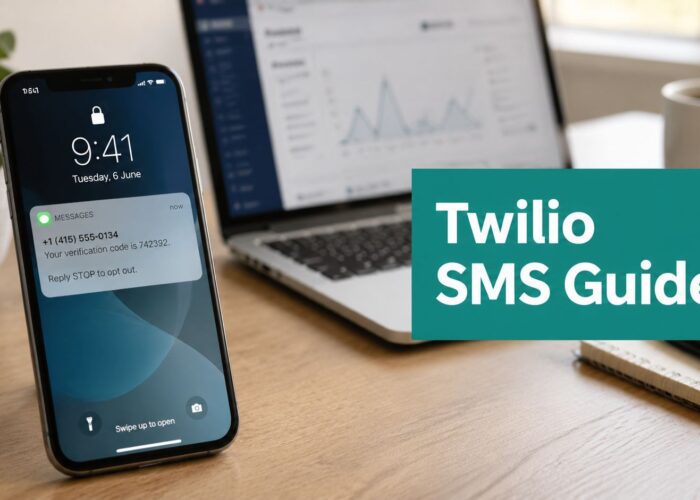
Once consent is captured, the portal can push data into Mailchimp for email follow-up, trigger Twilio SMS for vouchers or confirmations, send social WiFi engagement into Facebook audiences, or route paid access through PayPal and Stripe when a venue offers a paid tier. In a hotel, that can support post-stay nurturing. In retail, it can support campaign follow-up. In a campus or clinic, it can support clearer visitor communication without handing the work to front-desk staff.
Good integration starts with clean consent. If the splash page asks for too much too soon, the marketing stack inherits messy data and lower completion rates.
The sequence matters. First, the splash page has to collect data in a way the guest can accept without friction. Then the integrations can move that data where it belongs. If the front-end flow is sloppy, the automation layer only automates bad inputs. That is why the best WiFi splash page software treats consent, identity, and follow-up as one workflow rather than separate tools bolted together.
Vertical-Specific Needs and Use Cases
Different sectors use guest WiFi for different reasons, and the portal has to respect that reality. A campus administrator, a retail manager, and a clinic IT lead all care about access, but they're solving different problems. The cleanest platforms adapt to the venue instead of forcing every site into the same template.
Education, retail, and healthcare behave differently
In education, the main concerns are student-friendly onboarding, dorm access, and BYOD control. Schools and campuses often need a clear policy boundary between personal devices and managed devices, and that's where IPSK or simpler EasyPSK-style deployment patterns become useful. A shared password can work for a small guest area, but it gets messy fast when students, staff, and visitors all need different access assumptions.
In retail, the emphasis shifts toward footfall, dwell time, and campaign tie-in. A store may want social login or email capture because the primary goal is to connect a WiFi session to later marketing activity. The page still has to stay light, though, because shoppers won't stop to read a long form at the entrance.
In healthcare and senior living, the priorities are privacy, audit trails, and safe visitor access. Family members need a simple path online, but the guest network can't blur into clinical systems. That means the portal needs clear segmentation and a deployment model that respects both usability and risk.
Corporate and hospitality need sharper identity boundaries
Corporate and BYOD environments usually care about separating employee devices, contractor devices, and guests. IPSK and EasyPSK-style approaches work well there because each device can have its own key, which is much cleaner than one shared guest password drifting around the office. In hospitality, the guest journey often extends farther, especially when the portal links into branded service flows or Opera Micros-based guest experiences.
Splash Access is one example of a platform shaped around Cisco Meraki environments, with support for secure WPA2 and IPSK authentication, social logins, vouchers, and industry-specific workflows. That kind of flexibility matters because a hotel lobby, a campus dorm, and a retail mall all need different operational hooks even if they use the same underlying network stack.
The takeaway is simple. One splash page platform can work across verticals if it exposes the right control points, policy options, and integrations. The wrong platform forces every venue to improvise around the software. The right one lets the venue decide how guest access should feel.
Deploying on Cisco Meraki and What to Watch For
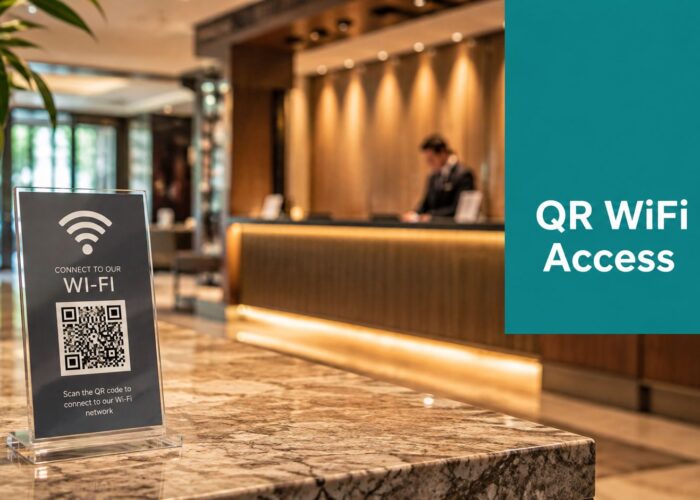
A real deployment starts with the guest SSID, but it doesn't end there. On Cisco Meraki, the usual pattern is to design the guest network, attach a custom splash page, choose the authentication method, connect the data workflow through APIs, and then finish with QR onboarding so guests can skip manual SSID hunting. The how to create a splash page guide is useful here because it reinforces the practical sequence, not just the visual layer.
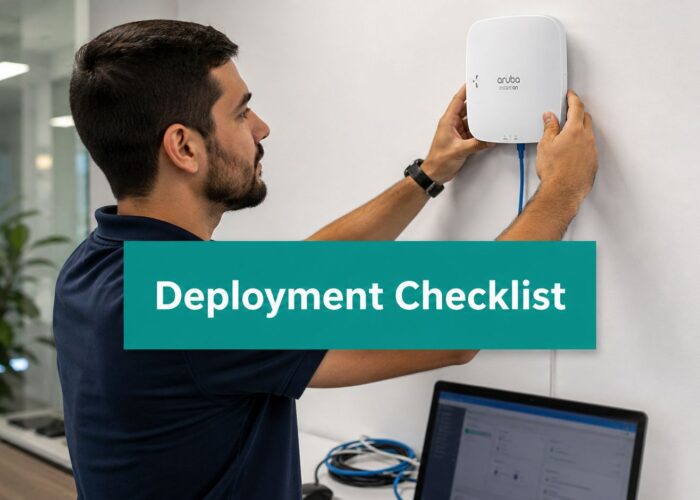
A deployment checklist worth actually using
| Area | Check | Why It Matters |
|---|---|---|
| Portal reachability | Whitelist the portal hostname and required identity-provider domains | Guests must be able to load and complete the login flow |
| TLS trust | Use a publicly trusted certificate and automate renewal | SSL warnings can break onboarding before login begins |
| Authentication | Confirm click-through, PSK, IPSK, or social flow behavior | The chosen method has to match the venue's policy |
| Walled garden | Allow SMS OTP, OAuth, and CDN assets | Missing dependencies can stop the page from rendering |
| Session policy | Tune timeout behavior for the guest use case | Overly short or long sessions create support issues |
| Integrations | Test API hooks into property, identity, or analytics systems | Clean data flow avoids manual exports |
| Guest network | Verify guest isolation and segmentation | Internal systems stay separated from visitor traffic |
The part that breaks most projects is not the portal theme. It's the hidden dependency list. If the walled garden blocks the portal host, the login page never loads. If the certificate chain is wrong, users see a warning and back out. If the social login or SMS endpoint isn't reachable from guest IP space, the flow looks fine in the office and fails in production.
Operational habit: test from a real guest device on a real guest SSID before launch day. Lab success doesn't count if the phone never sees the portal.
API-driven workflows matter because they let IT teams connect guest access to systems they already trust, whether that means property management, directory services, or analytics dashboards. That cuts down on CSV exports and manual handoffs, which are usually where data quality starts to slip. Deployment is half networking and half product thinking, and the teams that respect both sides usually go live with fewer surprises.
If you're planning a guest WiFi rollout on Meraki, take the time to test the captive portal on real iOS and Android devices, not just in a browser preview. Splash Access offers Meraki-focused captive portal software with IPSK, social login, vouchers, and API-driven workflows, so you can match the access flow to the venue instead of forcing the venue to adapt to the tool. Visit Splash Access to review the options and map them to your next deployment.