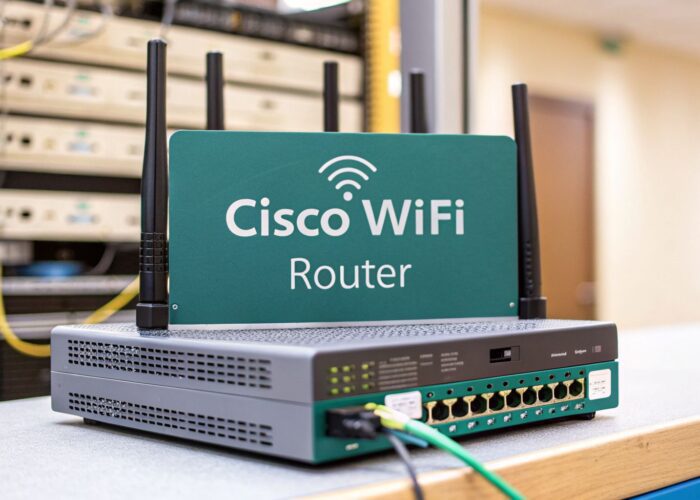
Hey there! Ever thought about what it would be like to have a financial co-pilot for your hotel? That's exactly what a revenue management system is. It’s the brain behind your entire commercial strategy, working around the clock to make sure you're selling the right room to the right guest, at the perfect time, and for the best possible price. It’s what helps you move from guesswork to a data-backed approach that directly grows your bottom line. Let's dive in!
Your Hotel's Financial Co-Pilot

At its core, revenue management software in hotels is all about optimizing your pricing and inventory to maximize profit. But honestly, it’s so much more than a simple rate-setting tool. Think of it as a dynamic engine that constantly crunches huge amounts of data to give you intelligent, actionable recommendations. This is the big leap from clunky manual spreadsheets to an automated, strategic partner that really has your back.
This kind of technology used to be reserved for huge, global hotel chains with deep pockets. Not anymore! Today's solutions are both essential and accessible for every property, whether you're a cozy boutique hotel or a sprawling resort. The playing field has been leveled, giving smaller operators the same analytical firepower as the big brands.
Beyond Just Pricing Rooms
It's a common mistake to think this software just nudges room rates up and down. While dynamic pricing is a major part of what it does, its real strength is in its ability to connect all the different parts of your operation into one smart system. This is where other technologies, especially your guest Wi-Fi network, become incredibly important and, let's be real, a bit of a secret weapon.
A modern Wi-Fi infrastructure, running on robust hardware from awesome providers like Cisco and Meraki, is no longer just a guest amenity. It's a rich source of data! When you connect it to your revenue management software, your commercial strategy gets a whole lot smarter.
Think about what happens when a guest first connects to your Wi-Fi through a Captive Portal. This first digital handshake is a golden opportunity.
- Social Login: By offering a social wifi login, you can gather valuable demographic data (with their permission, of course). This info flows right into your revenue system, helping you build a clearer picture of who your guests really are.
- Authentication Solutions: Secure login is non-negotiable, particularly for guests from the Education or Retail sectors, or corporate travelers with BYOD policies. Authentication methods like IPSK (Individual Pre-Shared Key) or EasyPSK secure the connection while also tracking device types and usage patterns.
This fusion of revenue management and network intelligence lets you understand guest behavior on a much deeper level. You go from just knowing a room is booked to knowing who booked it, why they're visiting, and how to personalize their experience next time. It's a total game-changer!
Connecting the Dots for a Smarter Operation
The data you get from your guest wifi network provides critical context that pricing algorithms can't see on their own. Are you attracting business travelers who need rock-solid connections for their work devices? Are you a hotspot for families using multiple tablets and phones? These are the insights that shape a winning strategy.
A great revenue management system takes this information and uses it to build a complete picture. It combines traditional booking data with real-world guest behavior analytics from your Cisco Meraki network. This allows for more accurate forecasting, better-targeted marketing campaigns, and a superior guest experience from the second they log on. It's about creating a virtuous cycle: better data leads to smarter pricing, which boosts profitability and frees up resources to create an even better experience for your guests. How cool is that?
The Core Features That Drive Hotel Profitability

So, what’s really under the hood of a powerful revenue management software in hotels? Forget the idea of a fancy calculator. A better way to think about it is as the central command for your hotel's entire commercial strategy, packed with specialized tools designed to make you more money.
The most obvious tool, and the one you’ll see in action every day, is the dynamic pricing engine. This is what automatically adjusts your room rates in real time. It analyzes dozens of signals—booking pace, what your competitors are charging, even what’s happening in the city—to find the perfect price. It’s like having a dedicated stock trader for your hotel rooms, ensuring you’re never leaving money on the table.
But the best systems don't just react to what's happening right now; they look ahead. Forecasting modules dig into your historical data and current market trends to paint a picture of future demand. This gives you a clear roadmap, helping you make smarter decisions on everything from staffing levels to when and where to spend your marketing dollars.
Unlocking Deeper Insights with Wi-Fi Integration
One of the most valuable, yet often overlooked, capabilities is the system's power to connect with your other hotel technology. When you link your revenue management software (RMS) to your guest Wi-Fi network—especially a robust one built on hardware from providers like Cisco or Meraki—you tap into a goldmine of data.
This integration transforms a simple internet connection into a strategic asset. By using a Captive Portal for guest access, you can gather crucial insights that feed directly back into your pricing and marketing strategies.
- Social Login for Richer Profiles: When a guest logs in using social Wi-Fi, they grant permission-based access to demographic data. This helps you understand who your guests are, not just that they made a booking.
- Secure Authentication for Key Segments: For valuable guests from the Education or Retail sectors, or corporate travelers using their own devices (BYOD), secure authentication is a must. Methods like IPSK and EasyPSK not only provide a safe connection but also help you identify and cater to these high-value segments.
- Behavioral Analytics: Your Wi-Fi network data can reveal how guests move and behave on your property. This adds another layer of detail to the customer profiles within your revenue software.
This marriage of your RMS and your network infrastructure provides the granular detail you need to get personalization and pricing just right.
The Power of A Connected System
The ability to connect with your Property Management System (PMS) is also completely non-negotiable. This vital link ensures that pricing and availability are always perfectly synchronized across all your systems, eliminating the kind of costly errors that come from manual updates. For instance, a seamless connection to a system like Opera Micros is absolutely critical for smooth daily operations. You can learn more about how these systems talk to each other in our guide to hotel reservation system integrations.
A truly effective revenue management software acts as the central hub of your hotel's commercial operations, pulling in data from multiple sources to make intelligent, automated decisions that directly impact your bottom line.
The industry's investment in this area tells the story. The broader hotel and hospitality management software market, where revenue management is a key player, was valued at USD 4,044.7 million in 2026 and is projected to hit USD 6,287.0 million by 2030. This growth, detailed in research like this hotel management software market analysis from Grand View Research, shows just how essential these platforms have become.
Ultimately, these features work in concert to give you a clear, data-backed view of your business, turning complex information into simple, profitable actions.
How AI Is Redefining Revenue Management
The future of hotel revenue management isn't on the horizon; it's already here, driven by Artificial Intelligence (AI) and Machine Learning (ML). These aren't just buzzwords. For modern revenue management software in hotels, they represent a fundamental shift in how we approach pricing and profitability. AI is the engine that makes today’s systems predictive, automated, and incredibly effective.
Let’s put it this way: traditional revenue management often feels like driving a familiar route using only a rearview mirror and a paper map. You're relying on historical data and what you already know. An AI-powered system is like having a real-time GPS that not only knows the destination but also analyzes live traffic, weather, road closures, and even fuel prices to chart the absolute best path to profitability.
AI algorithms process staggering amounts of data at speeds a human team simply can't match. They analyze everything from your own booking history to competitor pricing, flight schedules, local events, and even weather forecasts to predict demand with remarkable accuracy. This allows for dynamic, highly targeted pricing that would be impossible to manage manually.
Turning Data Points into Profitable Decisions
The true power of AI is unlocked when it starts connecting disparate streams of data. This is where your hotel's own technology, especially your guest Wi-Fi network, becomes a massive asset. A modern guest network, built on robust hardware from providers like Cisco or Meraki, is far more than an amenity—it's a critical source of intelligence.
When guests log in through a Captive Portal, you can gather valuable information (with their consent) that feeds directly into the AI engine.
- Social Login Data: When a guest uses social Wi-Fi to get online, the system can capture demographic data. AI then uses this to build out richer guest profiles, helping you understand and attract your most valuable customer segments.
- Authentication Insights: Secure login methods like IPSK and EasyPSK are crucial for serving guests from the Education, Retail, and corporate BYOD sectors. Beyond security, these authentications tell your system what kinds of devices and guest types are using your property.
AI synthesizes all this information—booking patterns, market data, and on-premise Wi-Fi analytics—and transforms it into automated action. It might notice a surge of users connecting with corporate email domains through your Cisco network and proactively adjust rates for mid-week stays, anticipating a wave of business travelers before they even book. You can learn more about how AI is making an impact in hospitality in our detailed article.
This isn't just a minor improvement. An AI-driven RMS marks a genuine shift in how you can maximize your hotel's earning potential, giving you the tools to optimize every room, every single night.
The Growing Momentum of AI in Hotels
The industry is clearly embracing this shift. The integration of AI and ML is one of the biggest trends shaping the entire hotel revenue management software market. In fact, one recent analysis predicts the Hotel Revenue Management Systems market will grow at a compound annual growth rate of 12.88% between 2025 and 2033. This growth is directly tied to the wider adoption of AI-powered tools. You can explore the full projections and gain more insights on the hotel RMS market trends from this report.
The message is clear: AI is no longer a "nice-to-have" gimmick. It’s becoming an essential part of any serious revenue strategy, allowing hotels to move from being reactive to proactive and truly shape demand instead of just responding to it.
Turn Your Guest Wi-Fi Into a Revenue Goldmine
The real magic in hotel tech isn't just having great systems—it's getting them to talk to each other. Too often, a hotel's technology works in silos, but the biggest wins come from integration. This is especially true for your guest Wi-Fi, which many hoteliers still see as just a cost center. When you connect it to your revenue management software in hotels, it becomes one of your most powerful assets.
Think of it this way: modern Wi-Fi networks, often built on solid hardware from companies like Cisco and Cisco Meraki, are much more than a simple utility for guests. They are powerful data engines. The key to turning on that engine is the Captive Portal—that login page guests see before they can connect. This is the moment a guest amenity becomes a strategic tool.
This is where you turn a one-way street (giving guests internet) into a two-way conversation. Your guest gets the seamless connectivity they expect, and in return, you gain invaluable, permission-based insights. These details can be fed directly back into your revenue management software, helping you understand who your guests are and what they actually want during their stay.
From Simple Login to Strategic Insight
Your standard Wi-Fi login is a missed opportunity. It gets the job done, but that’s about it. An advanced Captive Portal platform completely changes the game by offering smarter, more secure login options, each providing a different layer of useful data.
- Social Wi-Fi Login: When guests connect using a social media profile, you can gather basic demographic data. This social wifi option is a quick way to build out your guest personas, which is crucial for smarter marketing and personalized offers.
- Secure Authentication for Valued Segments: Security is non-negotiable for certain guests, especially corporate travelers in BYOD (Bring Your Own Device) environments or visitors from sectors like Education and Retail. Offering secure authentication solutions like IPSK or EasyPSK not only gives them peace of mind but also helps you identify and track these high-value segments.
- Customizable Splash Pages: That first login screen is prime digital real estate. You can use it to promote your spa, advertise a happy hour, ask for quick feedback, or push a special offer—all while capturing important login data.
The flow is simple but powerful: you collect data from guest interactions, and that data fuels a more profitable revenue strategy.

As the diagram shows, data collected from sources like your guest wifi gets analyzed by AI-powered systems to deliver optimized pricing and boost your bottom line.
The Power of Integrated Data
So, how does this actually work in the real world? All the information gathered at the Wi-Fi login—demographics from a social login, the types of devices connecting via IPSK authentication, a guest's visit frequency—provides incredible context for your revenue management software.
When your RMS knows not just that a room was booked, but who is in that room and what they value, it can make much smarter decisions. It’s the difference between flying blind and having a full set of instruments guiding you.
For example, your Cisco Meraki dashboard might reveal a spike in devices connecting from corporate email domains during the week. This real-time signal can prompt your RMS to fine-tune pricing for upcoming mid-week stays, anticipating a bump in business travel.
Or maybe you notice lots of families connecting multiple tablets and phones on the weekends. That's your cue to create and promote targeted package deals that include breakfast or other family-friendly amenities. For a deeper dive into these strategies, you might find our article on how to increase hotel revenue with smart technology helpful.
This direct link between your guest Wi-Fi data and your revenue management strategy is essential. The table below breaks down how specific Wi-Fi features provide concrete data that your RMS can use.
How Guest Wi-Fi Features Enhance Revenue Management
| Guest Wi-Fi Feature | Data Collected | Revenue Management Application |
|---|---|---|
| Social Media Login | Demographics (age, gender, location) | Refine guest personas; create targeted marketing for specific age groups or regions. |
| Custom Data Fields | Email, reason for visit (business/leisure) | Segment guests for personalized offers; adjust pricing based on demand from business vs. leisure travelers. |
| Location Analytics | Dwell time in specific zones (lobby, bar, pool) | Identify popular amenities to promote; create time-based offers (e.g., happy hour) to drive traffic to underused areas. |
| Secure Authentication (IPSK/EasyPSK) | Device type, corporate domain | Identify and track high-value corporate guests; forecast demand from key business accounts. |
| Return Visitor Recognition | Visit frequency and history | Reward loyalty with exclusive rates or perks; understand the lifetime value of different guest segments. |
Ultimately, this tight integration creates a powerful feedback loop. The RMS sets the price, the Wi-Fi network captures how guests behave in response, and that behavior informs the next round of decisions. It’s a dynamic, self-improving system that turns your guest wifi into one of the most important tools in your entire revenue-generating toolkit.
How to Choose the Right Revenue Management Partner
Think of selecting a revenue management software provider less like a transaction and more like entering into a long-term business partnership. The right choice can dramatically impact your bottom line, while the wrong one can become a source of constant headaches and lost revenue. It's easy to get distracted by flashy demos, but your focus should be on what will actually work for your team day in and day out.
When you start evaluating options, boil it down to three critical areas: usability, integrations, and support. If the system isn't intuitive, your team won't use it. If it can't talk to your other essential platforms, it just creates data silos and more manual work. And if the provider vanishes after the contract is signed, you're left on your own when problems inevitably arise.
Find a Partner Who Gets Your Business
No two hotels are alike, and a one-size-fits-all approach to revenue management just doesn't cut it. A partner worth their salt will take the time to understand your specific corner of the market.
Are you located near a university, serving the Education sector with its unique event calendar? Do you cater to the high-traffic Retail market, or do you host corporate clients with strict BYOD (Bring Your Own Device) security needs? The revenue strategy for a campus-adjacent hotel is worlds apart from one that serves business travelers, and your partner needs to grasp those nuances.
This is where your technology stack, especially your network infrastructure, comes into play. A savvy partner will know their way around robust systems from providers like Cisco and Meraki. They won't just see a Captive Portal on your Wi-Fi network; they'll see a goldmine of data that can drive smarter pricing and marketing decisions. We break down how these systems can work together in our hotel integration plan.
Imagine the insights you could unlock. Secure authentication solutions like IPSK and EasyPSK do more than just protect your network—they help you identify and track high-value corporate accounts. A social wifi or social login option can give you valuable demographic details, helping you build a much clearer picture of who your guests are.
A true partner sees the whole picture. They don't just sell you software; they help you connect the dots between your Cisco Meraki network, guest Wi-Fi authentication solutions, and your overarching commercial strategy.
On-Premise vs. Cloud Solutions
One of the first technical forks in the road you'll encounter is the choice between an on-premise or a cloud-based system. On-premise solutions, which are installed and run on your hotel's own servers, are quickly becoming a thing of the past. They typically demand a huge upfront cost, require dedicated IT staff to maintain, and can be a real pain to update.
The modern hotel runs on the cloud. Cloud-based software, hosted by the vendor and accessed over the internet, is simply more flexible, secure, and scalable. Updates happen automatically, you and your team can access the platform from anywhere, and it can easily grow with your business—whether you're adding a new property or just adjusting to seasonal peaks.
The industry has overwhelmingly voted with its wallet. The global hotel revenue management system market was valued at USD 11.03 billion in 2025 and is on track to hit USD 15.52 billion by 2032. This massive investment shows just how essential these tools have become. You can read more about the hotel revenue management market trends to see where things are headed.
Ultimately, your goal is to find a partner whose technology, vision, and understanding of the hotel business align perfectly with your own.
Best Practices for Maximizing Your ROI
So you’ve invested in a top-tier revenue management software in hotels. That’s a great first step, but it's just the beginning. The real work—and the real profit—comes from how you use it. To truly maximize your return on investment (ROI), you need to weave the software into the very fabric of your hotel's strategy, turning it from a simple tool into a core part of your financial engine.
It all starts with your team. They need to be more than just users; they need to be believers. Training shouldn't be a one-off session on clicking buttons. It’s about building trust in the data and helping your people understand the logic behind the system’s pricing recommendations. When your staff trusts the software's "why," they can apply their own experience and market knowledge to make smarter, more profitable decisions.
Marrying Data with Guest Behavior
Think of your hotel's technology as an orchestra. Your Revenue Management System (RMS) might be the first violin, but it can't play a symphony alone. The most successful hoteliers understand that true harmony comes from blending the automated pricing power of their RMS with real-world guest behavior data—and your Wi-Fi network is a goldmine for this.
Your network infrastructure, especially when built on reliable hardware from providers like Cisco and Meraki, is more than just a guest amenity; it’s an intelligence-gathering platform. A well-configured Captive Portal is the gateway to unlocking this valuable information.
- Social Login Insights: When a guest logs into your Wi-Fi using a social login (social wifi), you gain a wealth of demographic data. This helps your RMS understand who is staying with you, not just when.
- Secure Authentication Clues: Using authentication solutions like IPSK or EasyPSK is critical for attracting high-value guests from the Education, Retail, or corporate BYOD sectors. The data from these secure logins helps you identify and create targeted offers for your most lucrative guest segments.
By feeding this rich guest wifi data back into your RMS, you bring your pricing algorithms to life. They’re no longer just crunching numbers in a vacuum; they’re responding to the actual people in your hotel. We dive deeper into these specific tactics in our full guide to hotel revenue management strategies.
The ultimate goal is to create a powerful feedback loop. Use your RMS to set prices, analyze guest behavior on your Wi-Fi to see how different segments respond, and use that insight to make your next pricing decision even sharper.
Trust, Verify, and Continuously Improve
While it's essential to trust the data, that doesn't mean you should ever switch off your own brain. The best revenue managers I know use their software as an incredibly powerful analyst, but they always remain the CEO who makes the final strategic call. They know the local market, the feel of the city, and the competitor across the street in a way no algorithm can.
You have to know what you're aiming for. Set clear Key Performance Indicators (KPIs) and watch them like a hawk. Go beyond just occupancy and ADR. Track RevPAR, booking pace, channel mix, and booking window to get a full, unvarnished picture of your performance. To ensure your hotel achieves its full financial potential, implementing robust revenue management strategies is crucial for continuous improvement.
In the end, getting the most out of your RMS is a continuous cycle of learning, testing, and refining. It’s about combining brilliant technology with a well-trained team and an unwavering commitment to getting a little bit smarter every single day. Do that, and your RMS won't just be an expense—it will be one of the most profitable investments you’ve ever made.
Frequently Asked Questions About Hotel RMS
Thinking about a Revenue Management System (RMS) for your hotel? It's a big decision, and it’s smart to have questions. This technology is a game-changer, but you need to know how it will work on the ground, day-to-day, before you invest.
We've heard all the common questions from hoteliers over the years. Let's walk through some of them to clear things up and show you how an RMS fits into a modern hotel's strategy, especially when connected to a smart guest network.
How Long Does It Take to See a Return on Investment?
This is usually the first thing everyone asks, and rightly so. While there’s no single magic number, most hotels begin to see a tangible return on their investment within 6 to 12 months. The speed of that return really depends on getting your whole team on board and making sure the software is properly connected to your other hotel systems.
An RMS starts paying for itself almost immediately by finding revenue opportunities you couldn't see before. It might be a slight rate tweak on an upcoming weekend or flagging a sudden demand spike you weren't expecting. These small, data-backed adjustments add up fast, boosting your bottom line right from the start.
Is This Software Only for Large Hotel Chains?
Not at all. That’s a common myth that unfortunately keeps many independent properties from exploring their options. While the big chains were the first to adopt this tech, today's cloud-based revenue management software in hotels is built to be affordable and scalable for everyone, from boutique hotels to smaller independent groups.
In fact, an RMS can be an incredible equalizer. It gives smaller operators the same powerful analytical tools as the major brands, allowing them to compete head-to-head on pricing and strategy. It truly levels the playing field.
Can It Integrate With My Wi-Fi and Other Systems?
Yes, and this is one of the most critical aspects to look for. A modern RMS is designed to be the brain of your hotel's tech ecosystem. It absolutely must integrate with your Property Management System (PMS) to pull booking data and push rate updates automatically.
More importantly, it needs to connect with advanced guest wifi systems, like those running on Cisco and Meraki hardware. This integration turns your network from a simple utility into a rich source of data. By analyzing information from the Captive Portal—like demographics from a social login or the types of devices connecting via secure authentication solutions like IPSK—your RMS can build a much sharper, more complete revenue strategy. This is a massive advantage when serving guests from the Education, Retail, and corporate BYOD sectors.
How Much Training Is Required for My Staff?
The best systems today are designed for real people, not data scientists. While your team will need some initial training to get comfortable with all the features, most platforms are built around intuitive dashboards and automated recommendations. The learning curve is surprisingly gentle.
A good vendor partner will provide comprehensive onboarding, easy-to-understand documentation, and continuous support to make sure your team feels confident. The goal is for them to trust the system's insights while still applying their own expert knowledge of the local market. That’s the winning combination: smart technology working hand-in-hand with your smart people.
Ready to see how a smarter guest Wi-Fi experience can fuel your revenue strategy? At Splash Access, we specialize in creating powerful captive portals on Cisco Meraki hardware that integrate seamlessly with your hotel's key systems. Learn more about how Splash Access can help your hotel.