You've already seen a walled garden if you've ever connected to guest Wi‑Fi and landed on a branded login page before anything else worked. That little gate is the simplest way to understand the idea, because it shows the basic pattern, controlled access first, broader access later. In networking, a walled garden is a restricted environment where the operator decides what a user can reach until an authentication or policy step is completed. In advertising, the same phrase describes closed ecosystems where one company keeps audience data, inventory, and measurement inside its own stack, a usage that grew out of 1970s telecom language before moving into digital media as Skai notes.

A simple way to remember the term is this, a walled garden is a controlled on-ramp. The user can connect, but the operator decides what happens next. That might mean a splash page, a voucher, a payment check, a social login, or a device-specific key, depending on the venue and policy. If you want a practical primer on the guest-facing side of that flow, the guide to understanding event security is a useful complement because it frames why access control matters in public spaces.
For Wi‑Fi teams, the concept shows up most clearly in captive portal flows. For marketers, it shows up in closed ad ecosystems like Google, Meta, and Amazon, where the buying, serving, tracking, and reporting stack stays inside the platform, and Statista reports that Google captured about 40% of worldwide digital-ad spend in 2023, Facebook about 18%, and Amazon about 7% according to Statista. Same phrase, different machinery. The networking meaning is the one that matters when you're running hotels, campuses, retail locations, or BYOD offices, because that's where the boundary gets enforced on real gear.
If you want a quick companion definition of the login side itself, the overview of captive portal login fits neatly with this concept.
The Walled Garden Explained Through a Familiar Moment
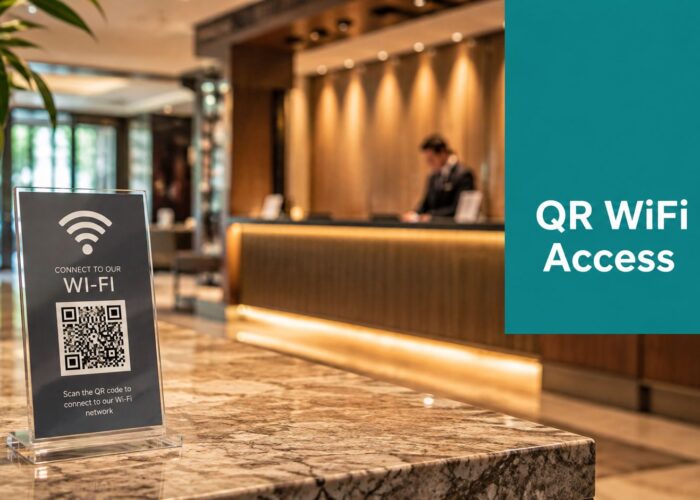
You join the hotel Wi‑Fi, and the internet does not appear right away. A splash page appears first, asking for a room number, a voucher, an email address, or a simple accept button. That page is not a glitch. It is the front door of a walled garden, and the network is deciding what your device can reach before it gets full access.
The plain-English definition
In networking, a walled garden is a controlled environment where the network keeps a user inside approved destinations until a rule is satisfied. That rule can be login, policy acceptance, payment, or device registration. The access layer enforces the boundary, so guests can reach the onboarding flow and a limited set of sanctioned resources until they are cleared.
The term is older than Wi‑Fi itself. It was first used in 1970s telecom for restricted carrier networks, then moved into digital advertising to describe closed ecosystems where one company controls audience data, inventory, and measurement. The same phrase survived because the shape of the problem is the same, one party controls the gate, the path, and the visibility inside the gate.
Practical rule: if the user can connect, see a branded login page, and only then get broader access, you are looking at walled garden behavior, not just a splash page design.
A useful mental model is a lobby. Guests can enter the lobby, but they cannot roam the whole building until someone checks them in. On Wi‑Fi, that lobby is the captive portal and the controlled destinations around it. If you want a quick companion definition of the login side itself, the overview of captive portal login fits neatly with this concept.
For readers comparing access flows across venues, understanding event security helps frame why access control matters in public spaces, because the same gatekeeping logic shows up whether the setting is a hotel, classroom, retail floor, or BYOD office.
How Walled Gardens Work on a Wi-Fi Network
A guest device can join the SSID and still be held at the edge of the network. That is the key idea on a Meraki AP. Association is one step, but the access point and controller can keep the client in a limited state until the portal or policy check is finished, so the device is connected without yet being trusted.
The redirect and the gate
The first redirect usually follows ordinary web traffic, not anything mysterious. A new client asks for a web page, the network steers that request to the captive portal, and the guest arrives at the onboarding page instead of the site they were trying to reach. In many deployments, DNS and HTTP handling help guide that first request into the portal flow, while the controller keeps broader reachability blocked until the rule set is satisfied.
That rule set changes with the venue. Some guests only accept terms. Others authenticate with WPA2-Enterprise, a voucher, a social login, or an individual device key such as IPSK or EasyPSK. In every case, the portal acts like the check-in desk, and the policy engine decides when the rest of the network opens up.
A coffee-shop analogy fits here. The host checks your ID at the door, then the floor manager decides which rooms you can enter.
What changes after authentication
Once the user authenticates, the network stops treating them like an unknown guest. Firewall rules, group policies, and access policies can open the right services while still keeping sensitive internal resources fenced off. That is why a walled garden is not something you buy as a box, it is a behavior you set at the access layer.
The practical value is easy to see in hospitality and guest onboarding, where users expect a quick path and venue operators still need control. In that setup, the portal might handle password entry, a social login, or a payment check, while the network keeps traffic inside approved boundaries until access is granted as summarized by Private Internet Access. For venues that need to map allowed destinations carefully, the walled garden IP range notes are a useful reference point.
Where the Same Word Means Very Different Things
A guest can hear walled garden and picture a single idea, but the term changes meaning depending on the system behind it. In networking, the word describes who gets access and what stays inside the boundary. In mobile ecosystems, it describes how tightly a platform controls apps and device behavior. In social platforms, it points to a closed environment where the platform decides what content and data are visible.
Guest Wi-Fi
On guest Wi‑Fi, the operator controls the path from first join to full access. A captive portal may appear first, then the venue decides whether the guest is admitted through a voucher, terms acceptance, social login, or a device-based method such as IPSK or EasyPSK. That is the version hospitality managers, campus IT teams, retail operators, and BYOD administrators usually run into, because it affects how people connect on site and what they can reach before they are trusted.
A Cisco Meraki AP makes this feel concrete. The AP is not just sending radio signals, it is enforcing the first checkpoint in the access layer, the same way a hotel front desk controls who gets a keycard and which areas that keycard opens.
Mobile app ecosystems
Mobile ecosystems use the same word, but the mechanics are different. On iPhone and Android-style platforms, the provider sets the rules for app approval, distribution, and some device behavior. Users get a curated environment, but outside tools have less room to operate and software installation follows the platform's rules, not the owner's preferences.
That is a platform-level walled garden, not a Wi‑Fi one. The control point sits in the operating system and app store, while the networking version sits at the AP, the portal, and the policy engine.
Social platforms and ad-tech
Social platforms are closed in another way. The provider controls the feed, the audience data, and the engagement rules, so the experience stays inside one system. Ad-tech can add another layer of closure, where measurement, targeting, and reporting are all shaped by the platform that owns the inventory. That is why analysts at Statista treat walled gardens as a separate topic in digital advertising, as reported here.
For venue owners, the networking meaning matters most because it affects everyday operations, not just media buying or app distribution. You are deciding how guests, students, employees, or shoppers get onto the network, and how a Meraki AP, a captive portal, and policies built around IPSK or EasyPSK shape what happens before and after authentication.
The Trade-Off Between Control and Portability
A walled garden is a controlled bargain. The network team gets clearer policy enforcement, a more predictable guest journey, and tighter separation between guest traffic and internal resources. The trade-off is that users, devices, and integrations have less freedom to move around outside the rules the operator sets.
That matters in Wi-Fi because the guest path and the internal path often share the same physical APs and cabling. A Cisco Meraki AP can let a guest reach the portal, follow the authentication flow, and then stay inside the access rules that were defined for that session. The more tightly that flow is managed, the easier it is to keep guest access from drifting into the wrong parts of the network.
What operators gain
The upside shows up quickly in hospitality, education, retail, and healthcare. A managed guest flow lets you separate unauthenticated users from internal systems, present branded onboarding, and collect the information you need instead of trying to infer it later. It also keeps policy enforcement more consistent, which matters when you are protecting sensitive systems and data in places where guest traffic and trusted traffic share the same infrastructure.
There is also a practical support benefit. When the access journey is centrally controlled, staff can explain what the guest will see, which screens should appear, and what destinations remain available before login. That predictability reduces confusion at the front desk, in the classroom, and on the help desk.
What operators give up
The cost is flexibility. A closed model can make data portability harder, limit outside integrations, and reduce visibility into measurement. In ad-tech, the platform may keep the most useful analytics inside its own reporting tools. In Wi-Fi, the same pattern can create friction when a venue tries to connect external CRMs, marketing tools, or downstream analytics in a clean way.
The authentication choice matters too. A shared password is simple, but it is blunt. IPSK and EasyPSK give teams a way to separate users or devices more cleanly, which is useful in BYOD environments where one credential should not be the only control point. For teams comparing managed access models, Passpoint WiFi provides a useful reference for how policy-driven onboarding can reduce manual steps while still keeping control at the network layer.
The rule is straightforward. Control only what you are prepared to manage. If a venue needs stronger segregation and clearer policy boundaries, the closed model helps. If it needs broad interoperability across many external systems, the same model can turn into a maintenance burden.
Turning the Concept Into Reality With Cisco Meraki and Splash Access
On Cisco Meraki gear, a walled garden becomes something the network team can deploy, not just discuss. The Meraki AP handles the guest association and portal path, while the portal layer shapes the onboarding experience and the access rules that follow. That's where Splash Access fits into a real venue workflow, with captive portals, branded splash pages, and authentication choices that line up with hospitality, retail, education, and BYOD corporate needs.

What the deployment can look like
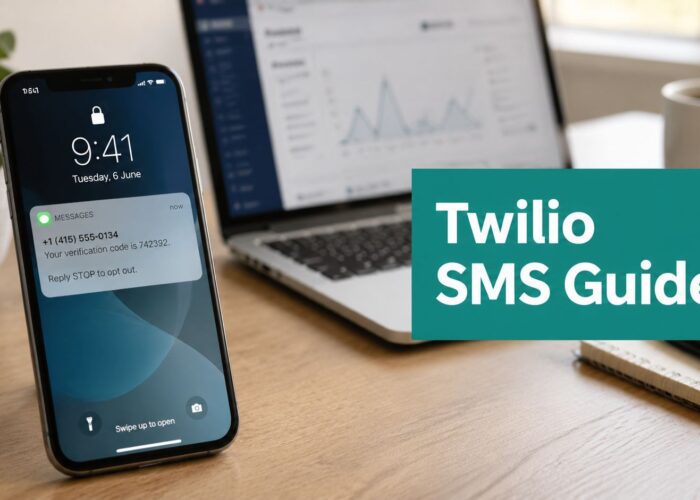
In a hotel, guest Wi‑Fi can be tied to room-based login, voucher printing, or a branded portal that fits the property's look and feel. In retail, the same pattern can support social WiFi capture, geo-fenced coupons, and follow-up messaging through tools such as Mailchimp or Twilio. In education, student dorm and campus flows often need Azure AD or SAML, plus policy choices that make sense for student devices and shared spaces.
In corporate BYOD environments, the conversation changes again. A shared guest password is rarely enough, so per-user EasyPSK or device-specific IPSK gives IT a way to separate employees cleanly while still making onboarding smoother than a manual ticket process. That difference matters because each device gets its own pre-shared key, instead of everyone sharing one broad credential.
Splash Access offers instantly deployable captive portals for secure WPA2 and IPSK authentication, customizable splash pages, and integration with Azure AD, SAML, G Suite, Social WiFi, and marketing tools like Mailchimp, Facebook, and Twilio as described on the product site. That makes it a fit for teams that want the portal, the authentication layer, and the data capture path to work together without building every piece from scratch.
The real design question is not whether the portal looks good. It's whether the portal, the credential model, and the downstream integrations all agree on who's allowed in.
If you're mapping the guest flow itself, the guest Wi‑Fi login page guide helps connect the design layer to the access decision.
Best Practices for Implementing Walled Gardens Across Venues
A clean rollout starts before the portal goes live. Map every SSID by purpose, decide which group policies belong to guests versus staff, and choose the authentication method that fits the venue instead of forcing one model everywhere. Hotels often need a softer guest experience, campuses need stronger identity ties, and corporate BYOD usually needs device-level control.

A practical checklist
- Hotels: Personalize the splash page, test voucher printing, and make sure the login path matches the property's guest flow.
- Cafés and retail sites: Keep the form simple, then verify social login or email capture works cleanly on mobile.
- Campuses: Integrate with student ID systems or directory-backed login so users aren't forced into a one-off guest process.
- Corporate BYOD: Enforce access with employee credentials, then separate personal and managed devices through policy.
Launch day is where small mistakes show up fast. Test captive portal redirects on different device types, verify that approved destinations load before authentication, and make sure social login or voucher flows don't break on captive browsers. If you're using a portal with consent capture, the privacy angle matters too, especially for larger venues that need to think through privacy for large venue apps as part of the onboarding design.
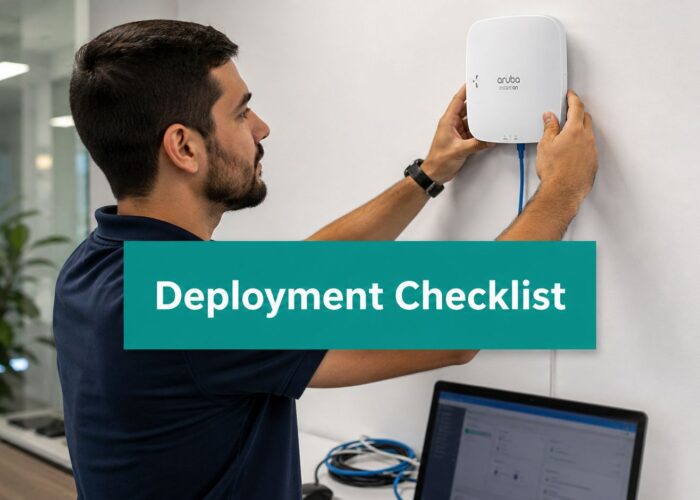
After launch, keep checking what the experience looks like for real users. Confirm that the right groups are landing in the right policies, refresh marketing integrations when campaigns change, and review compliance requirements for education or healthcare. If you're setting the network up from scratch, the guest WiFi setup guide can help align the portal, policy, and onboarding steps.
Here's a simple way to choose the right auth method by vertical.
| Vertical | Recommended Auth | Why It Fits |
|---|---|---|
| Hotels | Voucher or branded guest login | It keeps check-in simple and matches a front-desk workflow. |
| Cafés | Social login or email capture | It lowers friction for short visits and supports light marketing follow-up. |
| Campuses | Student identity integration | It ties access to the institution's own identity process. |
| Corporate | Employee credentials with device controls | It supports BYOD separation and cleaner policy enforcement. |
Choosing the Right Walled Garden Strategy for Your Business
Start with three questions. Who needs to be separated from whom, what data do you want to capture, and which integrations will still matter six months from now? Those answers usually tell you whether you need a light guest flow, a stricter BYOD model, or a fully managed onboarding path.
If you need simple guest access, social login and social WiFi can reduce friction. If you need tighter control, IPSK or EasyPSK gives you a more precise device story. If marketing matters, geo-fenced coupons, Mailchimp, and Twilio turn the portal into a useful engagement point instead of a dead-end screen. If corporate identity matters, Azure AD and SAML keep the experience aligned with existing accounts, and MV Sense can add useful visitor analytics without guessing.
The mistake many teams make is treating the portal as the whole project. It isn't. The key decision is how much control you want at the access layer, how much portability you're willing to give up, and which systems have to stay connected for the venue to work day after day.
If you're planning a guest Wi‑Fi rollout or cleaning up an existing captive portal, Splash Access can help you shape the access flow around Cisco Meraki, IPSK, social login, and branded onboarding. Visit Splash Access to see how its captive portal and authentication tools fit hotels, retail, education, and BYOD corporate environments.